
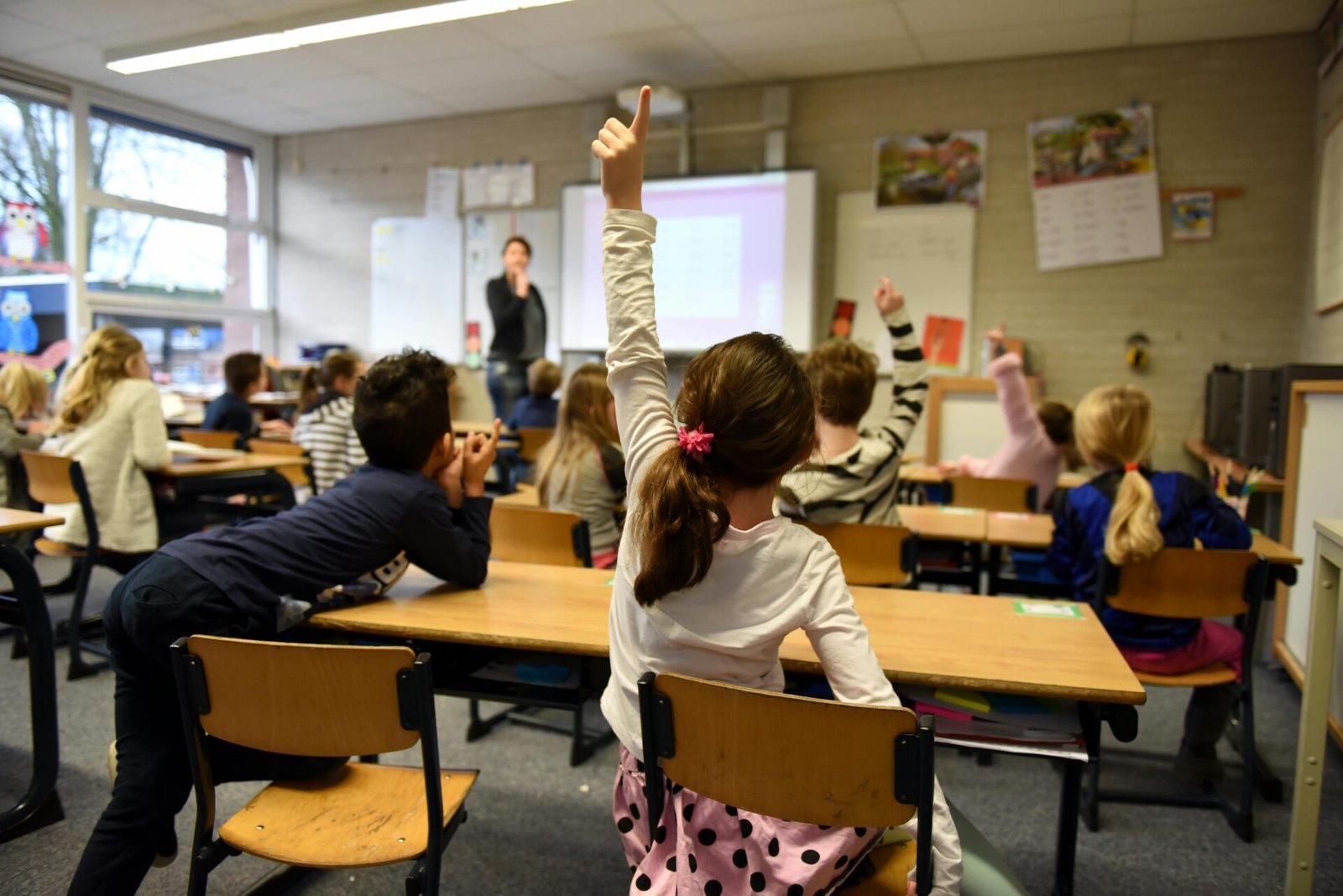
Why do children ask “why” questions endlessly?
What unfolds beneath this repetition is far more meaningful than simply interest. Curiosity in children is the foundation of how they learn, grow, and make sense of the world. It is a reminder of something adults gradually lose.
Understanding the Natural Curiosity of Children
Curiosity in children is not random or excessive. It is deeply intentional. With every question a child asks, they attempt to understand their surroundings, build connections, and feel secure in what they know. When a child asks why the sky changes color or why people behave differently, they are not seeking answers but developing a way of thinking.
Resources from Harvard’s Center on the Developing Child emphasizes that early interactions help build brain architecture and that responsive “serve and return” exchanges are especially important for healthy development.
Moreover, when a child feels heard, valued, and respected, they are more likely to express themselves freely. Their questions become more thoughtful, and their confidence grows. Over time, parents begin to notice the connection between emotional safety and learning. Children who are guided with trust and understanding often develop stronger confidence in their own thinking.
Why Adults Gradually Stop Asking Questions
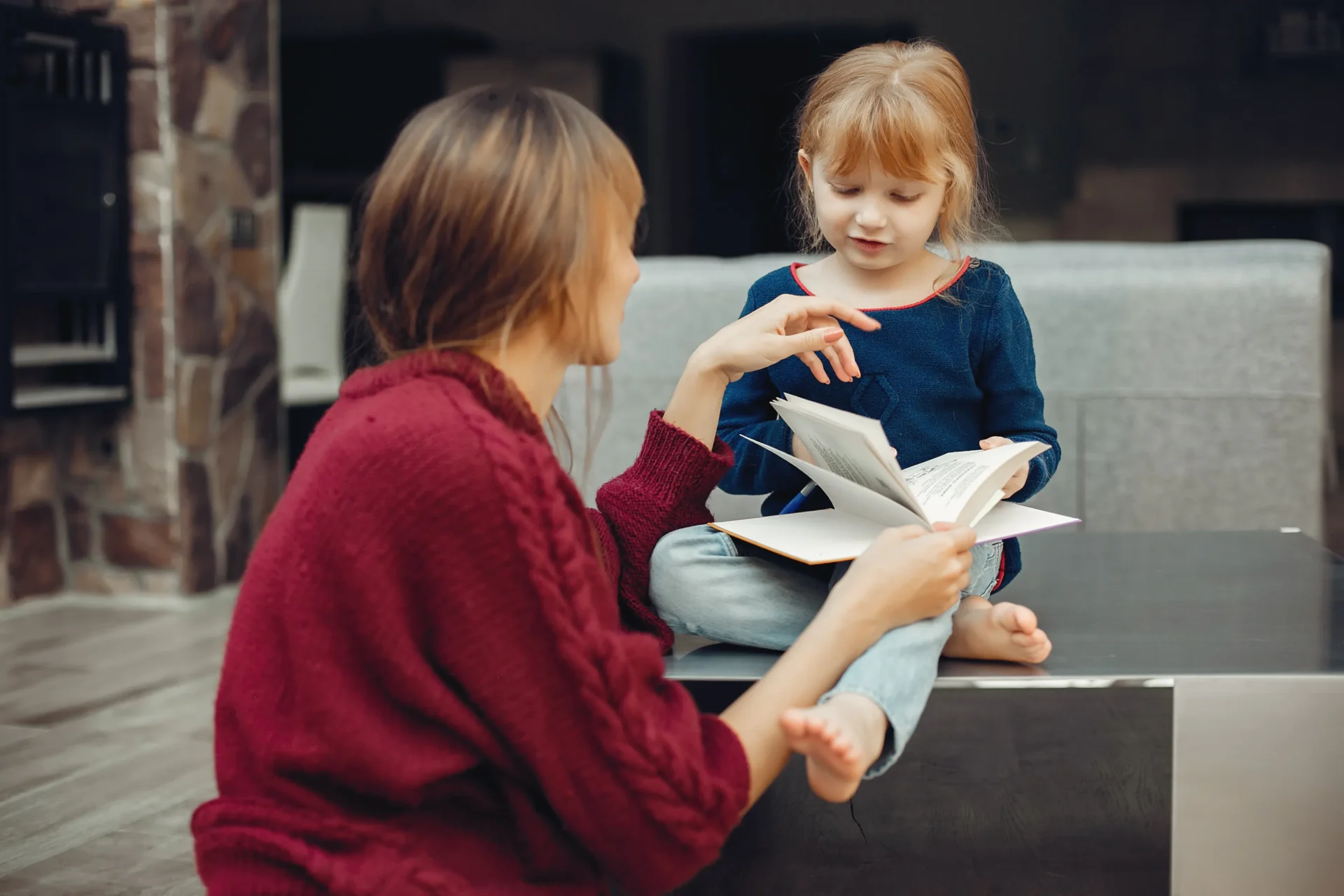
As we grow up, something begins to shift. Children naturally ask questions to understand the world, but adults slowly become more hesitant.
In schools and workplaces, there is often more importance placed on giving the right answers than asking meaningful questions. Over time, this can make curiosity feel less valuable. Many people stop asking questions not because they know everything, but because they worry about sounding wrong or uncertain.
These patterns often begin early in life. When children are discouraged from asking too many questions, they may begin to associate curiosity with inconvenience rather than growth. Over time, they start holding back their thoughts, even when they genuinely want to understand something.
There is also pressure to be fast and efficient. Adults are expected to move quickly and get results, which can make asking questions feel like it slows things down. But in this process, we often lose the deeper understanding that comes from simply pausing and questioning.
The Link Between Curiosity and Lifelong Learning
Curiosity in children plays a direct role in how effectively they learn, and the same principle applies to adults. With curiosity, learning becomes engaging, self-driven, and meaningful. Without it, learning often becomes mechanical.
In a world that constantly evolves, the ability to keep learning is more valuable than simply knowing. Adults who continue to ask questions remain adaptable and open to new ideas. Studies by APA suggest that lifelong learning and cognitively complex activities help older adults maintain and even boost cognitive function, reducing the risk of mental decline and supporting independence.
In many ways, staying open to learning also means reconnecting with the part of us that once learned through curiosity, not pressure. When we begin to unlearn rigid thinking patterns, we also reconnect with our inner child—the part of us that was naturally curious, open, and unafraid to ask questions. Parenting your inner child helps you understand that early emotional patterns are a way to rediscover curiosity and emotional awareness in adulthood.
Curiosity as a Driver of Creativity, Innovation, and Problem-Solving
Creativity begins with a question. It grows when we allow ourselves to explore possibilities without immediately looking for the right answer.
- Curiosity in children lets them imagine possibilities without limitation. They are not restricted by assumptions, which allows them to think more freely.
- Adults often rely on past experiences and proven methods. This could be efficient but can limit innovation. Reintroducing curiosity into daily thinking helps break these generational patterns and opens space for new ideas.
Problem-solving is not just about finding quick answers; it is about understanding the problem deeply. Curiosity in children encourages exploration from multiple angles, which naturally strengthens their ability to solve problems. Instead of rushing toward solutions, curiosity helps us pause and ask better questions.
Rather than asking “How do I fix this quickly?”, curiosity shifts the thinking toward “Why is this happening?” or “What am I missing?” This simple shift often leads to more thoughtful and lasting solutions.
Bringing Curiosity Back into Everyday Life and Parenting
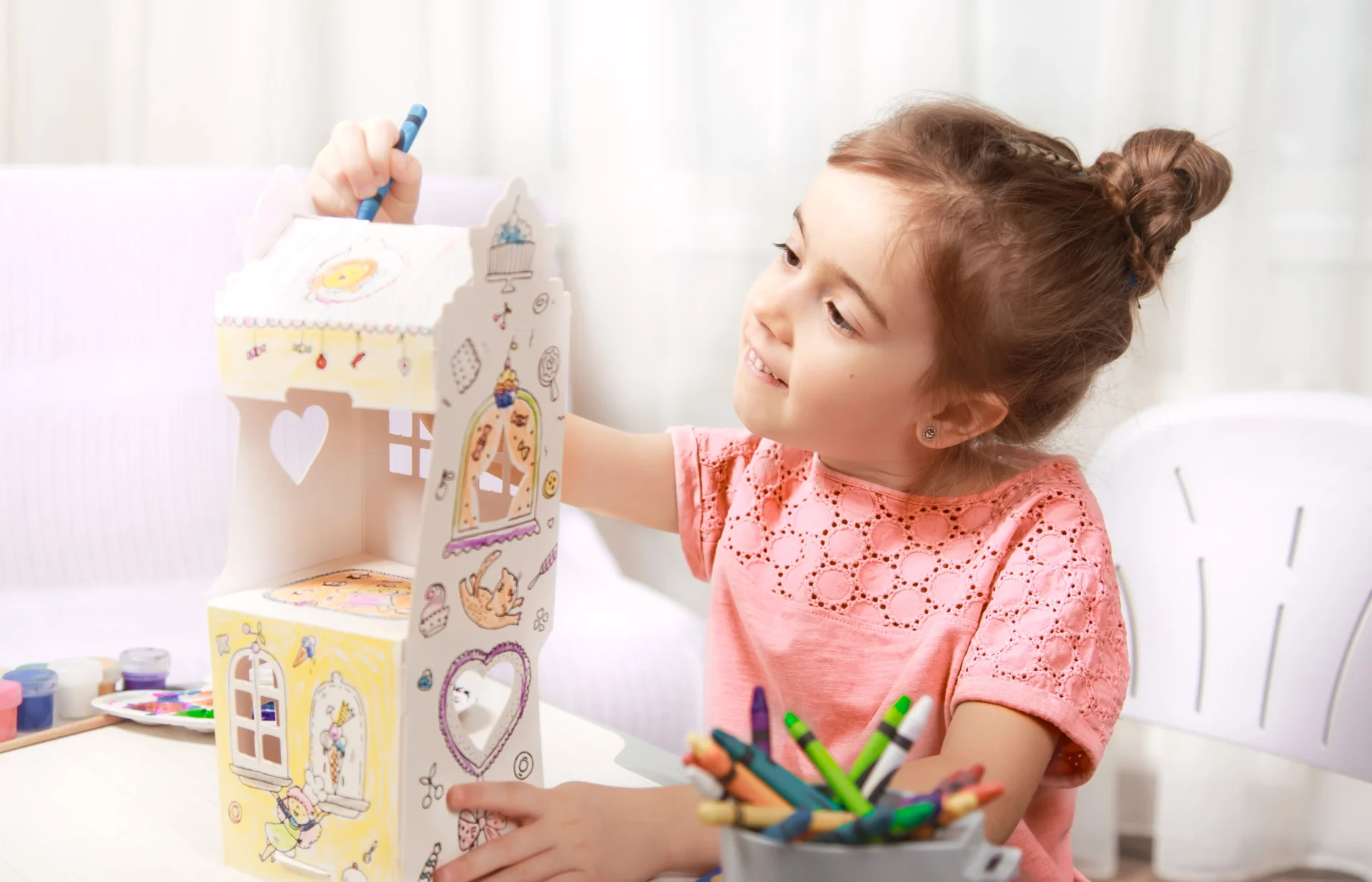
Rebuilding curiosity does not require major changes. It begins with small, intentional shifts in how we think and respond.
- Asking more open-ended questions.
- Exploring unfamiliar ideas.
- Allowing space for uncertainty can slowly bring curiosity back into everyday life.
Observing children can be a powerful starting point. Their natural way of questioning without hesitation offers a simple but meaningful lesson.
Rebuilding curiosity also means allowing space for mistakes, especially in children. When children are given the freedom to explore—even if it leads to the wrong choice—they often learn more deeply. Sometimes, the most meaningful learning comes from experiencing the outcome of their own decisions.
To understand how curiosity shows up in your own thinking, take a moment to reflect using this simple Curiosity Reflection Worksheet.
What Children Quietly Teach Us
Curiosity in children is not something they need to learn. It is a natural quality. What they need is encouragement to keep it alive.
For adults, the challenge is not learning curiosity for the first time, but remembering it.
When we begin to ask questions again, not out of obligation but genuine interest, we reconnect with a way of thinking that is more open, creative, and adaptable. In doing so, we do not just learn more effectively; we experience the world differently.
Children often teach lessons that adults overlook in the rush of routine and responsibility. Their openness, honesty, and willingness to explore remind us that growth does not always come from having more answers, but from staying willing to learn. Many of these quiet insights shape how we see life, relationships, and even ourselves. These are often the deeper parenting life lessons that we only recognize when we slow down and reflect.
Explore More from Parenting Lessons
If you are interested in understanding how everyday parenting moments shape thinking, behavior, and emotional growth, you can explore more here: Parenting lessons hub
Personal Reflection
I have often noticed how children ask questions without hesitation, without worrying about how they sound or whether they already should know the answer. There is a quiet confidence in that openness.
As adults, we tend to replace that openness with certainty, even when we are unsure. But the more I reflect on it, the more I realize that curiosity is not a weakness. It is a willingness to understand more deeply. Perhaps the real shift is not in becoming more knowledgeable, but in becoming more open again.