
Some of the most important lessons in life are not the ones we learn. They are the ones we finally allow ourselves to question.
We grow up absorbing ideas about success, relationships, parenting, productivity, and self-worth. Some come from our families, while others come from school, work, culture, or the people around us. We carry these beliefs for years because they feel familiar, not necessarily because they are right for us.
Then life gives us new experiences. We become parents, change careers, experience disappointment, build relationships, lose people, begin again, and understand ourselves differently.
That is when unlearning begins.
To embrace unlearning is not to admit that everything you once believed was wrong. It is to recognize that you have grown beyond some of it.
Why Unlearning Is Part of Personal Growth
We often imagine growth as an act of accumulation. We read more, develop new skills, collect experiences, and search for better answers.
But growth also involves subtraction.
It can mean releasing an expectation that constantly makes you feel behind. It can mean questioning a definition of success you inherited from someone else. It may involve noticing that a habit that once protected you is now preventing you from moving forward.
Psychological research offers an interesting perspective on this. What we casually call “unlearning” does not always mean that an old memory or response disappears completely. New learning can develop alongside the old pattern and gradually become the response we choose more often. In other words, change may not erase the old voice, but it can teach us that we no longer have to obey it.
This explains why old habits sometimes return during stressful moments. Their return does not mean that we have failed. It means we need to keep practising the healthier response until it becomes more familiar.
Reflection Helps Us Recognize What No Longer Fits
Unlearning usually begins with noticing.
A journal entry, an uncomfortable conversation, or an emotional reaction can reveal a belief we have carried without questioning. We may suddenly realize that we are apologizing when we have done nothing wrong, expecting perfection from ourselves, or saying yes because disappointing someone feels frightening.
Reflection allows us to pause before repeating the same response.
A few questions can help:
- Which belief makes my life feel smaller?
- Where am I acting from fear rather than choice?
- What expectation am I carrying simply because it is familiar?
- What would I choose if I did not need anyone’s approval?

Five Things We Often Unlearn as We Grow
As we grow, the sudden changes in us don’t reflect who we are. We gradually realize which lessons were never truly ours to carry.
1. Perfectionism Doesn’t Equal Success
Many of us were taught that doing something well means doing it perfectly. Over time, perfectionism can make us delay starting, fear feedback, and treat every mistake as evidence that we are not capable.
Unlearning perfectionism does not mean lowering our standards. It means accepting that progress often begins with an imperfect first attempt.
A completed draft can be improved. An idea that remains hidden because it is not perfect cannot go anywhere.
2. Comparison Cannot Tell The Whole Story
Comparison makes us evaluate our private struggles against someone else’s visible progress. Social media makes this especially easy because we often see the achievement without seeing the uncertainty, support, sacrifice, or time behind it.
As we grow, we begin to understand that another person’s pace cannot measure the value of our own journey.
Unlearning comparison means returning our attention to a more useful question: Am I moving in a direction that feels right for me?
3. Being Kind Does Not Require Constant People-Pleasing
People-pleasing can look like generosity from the outside. However, there is a difference between helping because we genuinely want to and agreeing because we are afraid of being disliked.
Saying yes while quietly feeling overwhelmed often leads to resentment, exhaustion, and weaker boundaries.
Unlearning the trap of people-pleasing means understanding that kindness includes honesty. A respectful no can protect a relationship more than a reluctant yes.
4. Changing Your Mind Is Not a Sign of Weakness
We sometimes hold tightly to an opinion because changing it feels embarrassing. Yet new experiences should be allowed to change how we understand the world.
Cognitive flexibility—the ability to adjust our thinking when circumstances or information change—is an important part of adapting to life.
Growth asks us to replace “This is what I have always believed” with “Is this still true for me?”
Changing your mind after learning something new is not inconsistency. It is evidence that you are paying attention.
5. Control Is Not the Same as Care
This has been one of the most meaningful lessons for me as a parent.
Parenthood can reveal how quickly care turns into control. We want to prevent mistakes, remove discomfort, and make the right decisions for our children. However, children also need space to explore, make age-appropriate choices, and develop confidence in themselves.
I am learning that guidance does not always mean directing every outcome. Sometimes it means staying close while allowing my child to discover her own way.
The same lesson applies to life. We cannot control every reaction, result, or relationship. We can only decide how intentionally we respond.
How Unlearning Shapes Your Relationships
When we begin questioning old patterns, our relationships often change too.
- We communicate more honestly.
- We become less willing to accept behaviour that repeatedly hurts us.
- We stop expecting others to read our minds and become clearer about what we need.
However, unlearning can also feel uncomfortable. When we change a familiar pattern, the people around us may need time to adjust. Someone who benefited from our lack of boundaries may not immediately welcome them.
This does not make the boundary wrong.
Healthier relationships are not created by avoiding every uncomfortable conversation. They develop when people can communicate honestly without one person constantly abandoning themselves to maintain the connection.
Practical Steps to Embrace Unlearning
Unlearning does not require a dramatic reinvention. It happens through small decisions repeated over time.
You can begin by:
- Naming one belief that no longer reflects who you are.
- Noticing when that belief influences your choices.
- Asking where it came from and whether it is still useful.
- Replacing it with a more realistic and compassionate belief.
- Practising a different response in one small situation.
- Reflecting on what changed and what still felt difficult.
For example, you might replace “I must do everything perfectly” with “I can do this carefully without expecting perfection.”
The old thought may still appear. The change lies in no longer letting it make every decision.
You can utilize the worksheet, My Unlearning Journal, to list beliefs, habits, or thought patterns you want to release, track progress, and reflect weekly.
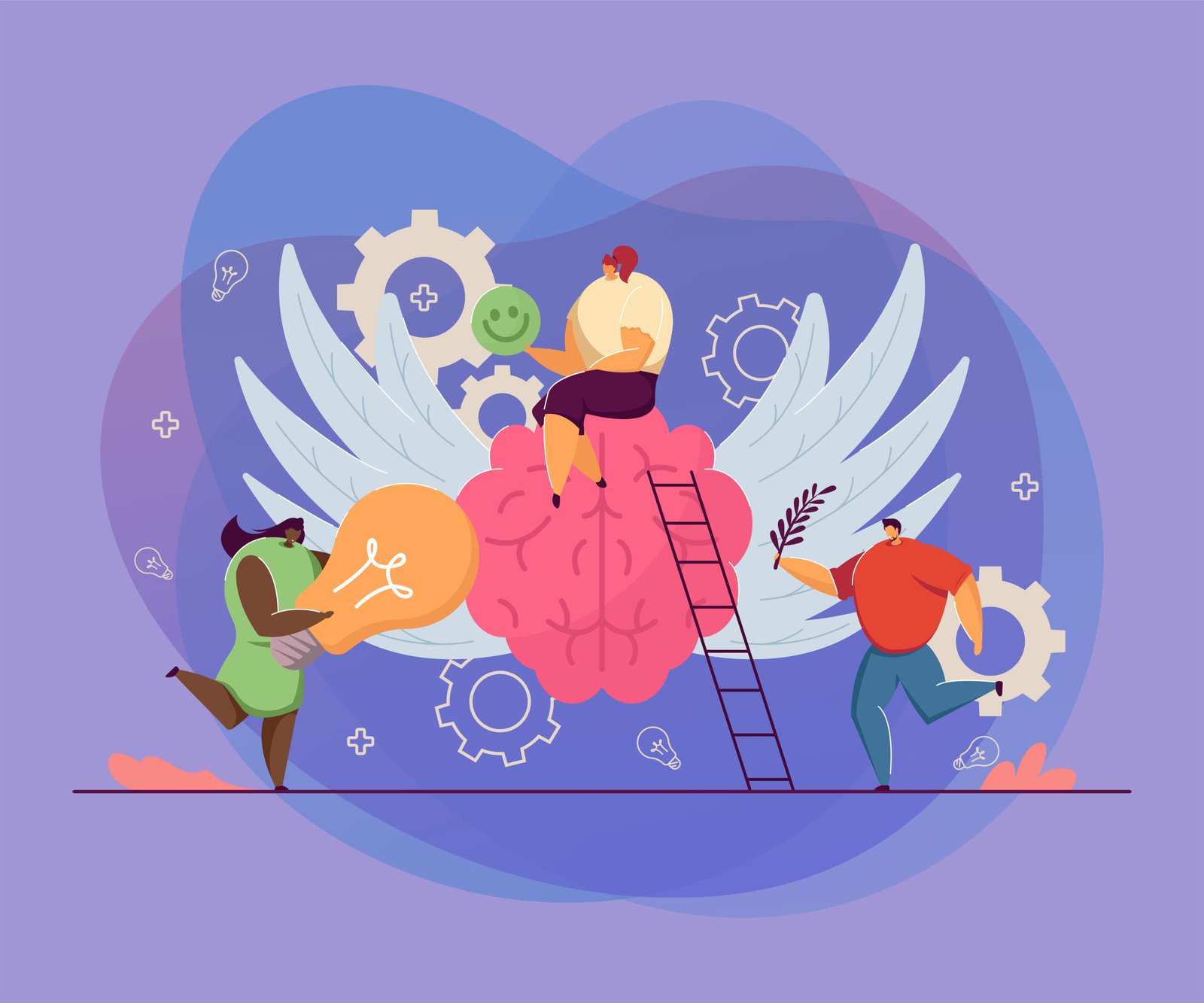
A Personal Reflection on Unlearning
When I look back, some of my deepest growth has come from releasing stories I carried for years—stories about success, self-worth, relationships, and what a good parent or professional should look like.
I have not unlearned all of them completely. Some still return during uncertain moments.
But perhaps growth is not about reaching a point where the old beliefs never appear again. Perhaps it is about recognizing them sooner, questioning them more gently, and choosing differently.
You do not need to reject the person you once were to become the person you are growing into.
Sometimes, growth simply sounds like this:
I understand why I believed that then. But I do not need to carry it forward.
If You’d Like to Explore More
- The Role of Reflection: What Reflections Teach Us
- Redefining Success & Priorities Through Parenting
- How Talks With My Younger Self Shaped Me
- Letting Children Explore and Learning Uncontrol
- The Life-Changing Habit of Gratitude
- From Self-Doubt to Confidence
- How Social Comparison Blocks Creativity at Work
- The Future Self I am Powerfully Building