Comparison is barely noticeable but creeps into our minds like a soft whisper. We create it in a moment, and in the next, we start doubting everything.
Along with stealing peace, social comparison gradually suffocates your potential quietly and consistently.
What Social Comparison Really Does to Your Mind
Social comparison appears in two ways:
Upward Comparison: Comparing ourselves to those doing “better.”
Downward Comparison: Comparing ourselves to those doing “worse.”
Although these comparisons are harmless in small doses, constant social comparison can rewire how we see ourselves. For a broader psychological perspective, read here about how social comparison also affects self-esteem.
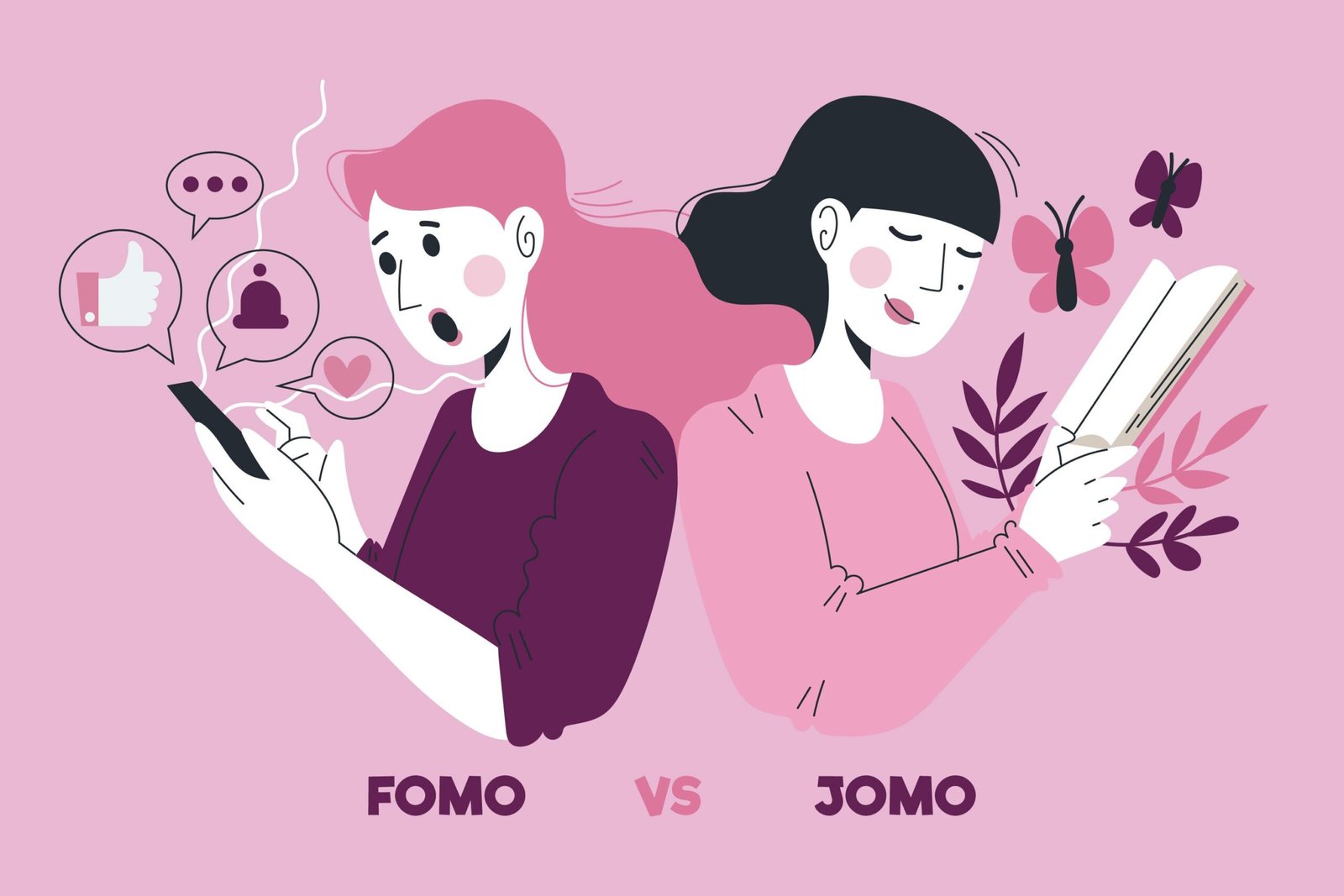
Instead of focusing on growth, we start measuring our progress with someone else’s life or timeline. This comes in various forms: what they eat, where they live, what they wear, their best dining spots, and their regular travel itineraries. At this point, the shift is delicate but powerful enough to destroy our self-belief and inner drive.
As a person, you have to watch out for yourself. Your brain is not designed to juggle your life goals and everyone else’s highlight reels. The whole process becomes overburdened and distracted. At one point, you stop taking risks because the fear of not measuring up becomes louder than your own voice.
For a deeper reading on how mindset shapes behavior and momentum, explore The Transformative Power of Small Choices
The Hidden Emotional Cost of Comparison
When comparison becomes a daily habit, an important shift happens: You begin to forget who you were before the world told you who you should be.
Social comparison fuels:
- Imposter syndrome.
- Performance anxiety.
- Fear of starting new work.
- Self-editing before you even begin.
Instead of trying, you wait. And instead of experimenting, you overthink.
This creates an emotional freeze, a silent pause where creativity once lived.
How Social Comparison Blocks Creativity at Work
Creativity is fragile and needs space, curiosity, and psychological safety. But social comparison shatters that environment by:
-
Making You Chase Trends Instead of Ideas
When you compare yourself to others, you start copying their ideas, styles, and trends. This happens because your mind believes the “safe” route is the one others have already approved.
-
Developing Fear of Judgment Before You Even Begin
If the thought of “what others will say” is on your mind repeatedly, you diminish your ideas before they are born.
-
Shifting Focus From Expression to Approval
Creativity expands with freedom, while seeking approval thrives in doubt.
When social comparison leads, you create with caution instead of curiosity.
-
Turning Every Project Into a Performance Metric
Rather than asking, “What do I want to create?”, you ask, “Will this be good enough compared to. . .?” It is from this moment that creativity becomes competition, and you lose your own voice.
To reclaim how to find your inner voice, read Overcoming My Inner Critic
How to Break Free From the Comparison Loop
Nothing here is permanent. You can pull yourself out of this comparison loop by following some basic mindsets:
1. Define Your Personal Benchmarks
Replace “What are they doing?” with “What does progress look like for me this week?”
2. Limit Your Exposure to Triggers
Social comparison often occurs when people are more tired, stressed, or aimlessly scrolling. When consumption is intentional and not constant, it protects your mind.
3. Document Your Progress (Not Others’)
Log your daily wins, lessons, or attempts that remind your brain you are moving. If you want to start journaling but are unsure where to begin, read my article on How to Start Journaling: 15 Techniques and 150 Journal Prompts to get you started!
4. Celebrate your originality
The effects of social comparison happen to everyone at some point in life. Even the most creative person hits this wall. The ones who grow through it are those who stay loyal to their own voice.
5. Feed Your Curiosities, Not Insecurities
Read more and explore in depth, not to compare, but to expand your imagination.
You can download Your Comparison Detox Worksheet here to reconnect with your own pace and growth.
Social Comparison Isn’t the Problem — Forgetting Yourself Is
Social comparison cannot be fully removed as it is a part of human nature. A person who knows themselves the best might end up comparing some aspect of their life with someone on social media. We cannot blame our nature or the way we are for this to happen to us, but we can stop it from owning us.
You are most creative when you are YOU; unfiltered, not scared, non-measurable. Your potential doesn’t grow in comparison; it grows in clarity, authenticity, and consistency.
When you stop looking sideways, you finally move forward.
Personal Reflection
When I turn around and look at those moments when I felt drained or unsure of myself, I realize it wasn’t because I didn’t have the potential. It was because I was too busy looking at others’ lives.
Comparison made me forget my own pace, my self-made journey, and the silent strengths I carry every day.
The truth is, the more I return to my definition of progress, the more I feel grounded, creative, and free.
This week, I want to remind myself that my path doesn’t need to look like other people. It only needs to look like MINE!