

Most people begin tracking their habits out of sheer excitement. They start in a new notebook, a shiny app, or a neat spreadsheet. But after a week, the excitement quietly fades.
What began as motivation starts to feel like pressure, and suddenly, habit tracking feels impossible.
However, habit tracking was never meant to feel like a system of control. If implemented correctly, this system can actually foster freedom, clarity, and self-awareness, rather than guilt.
Why Habit Tracking Starts Feeling Restrictive
At first, tracking habits may seem simple: track aspects of your life that need improvement.
But the moment tracking turns into a rigid rule book, it loses purpose.
Unknowingly, many people turn their habit trackers into performance dashboards instead of reflection tools.
An article by APA highlights insights from social psychologist, Wendy Wood. Her research shows that a large share of our daily actions run on habit rather than conscious decision. Moreover, habits form when behaviors are repeated in stable contexts and are experienced as rewarding, so cues in our environment end up automatically triggering those behaviors. The article emphasizes that lasting behavior change is more effective when we redesign contexts, cues, and small rewards so the desired actions become easy and automatic, rather than relying purely on self-discipline or motivation.
When tracking becomes a measure of success or failure, it creates resistance. Habit tracking requires a different mindset; the one focused on awareness instead of perfection.
For instance, rather than tracking whether you completed a habit perfectly every day, you simply notice patterns:
- When do I naturally follow through?
- When do I skip the habit?
- What circumstances influence it?
This gentle awareness transforms habit tracking into a tool for insight instead of pressure.
Shift From Perfection to Awareness
A powerful shift happens when you are able to redefine what success looks like.
Traditional habit tracking focuses on maintaining consistency, but real life rarely allows us perfection. Some days are productive and structured, while others are unpredictable and demanding. Because of this, habits don’t always follow a perfect daily pattern, and that is completely normal.
A better approach is focusing on pattern awareness, which allows habit tracking to become a supportive practice rather than a rigid routine.
For instance:
Instead of thinking, “I missed a habit today.”
Try thinking: “I am noticing when this habit fits naturally in my day.”
Over time, this shift reduces guilt and builds consistency. Your attention shifts towards steady progress and small improvements rather than what was missed.
3 Ways to Design a Flexible Habit Tracking System
The secret to habit tracking is maintaining flexibility. Your tracking system should support your life, not compete with it.
Below are 3 simple ways to keep habit tracking flexible:
1. Track Fewer Habits
If you track too many habits at once, it creates cognitive overload.
Instead, focus on two or four meaningful habits that align with your current priorities.
This reduces pressure and makes habit tracking easier to maintain.
Some people prefer digital tools, while others enjoy creating simple trackers in a notebook. Bullet journaling is one method that allows you to design habit trackers that evolve with your routine.
2. Make Room for Imperfect Days
Habits build through consistency. Allow space for skipped days without labeling them as failures.
When you do this, you view your habits as a tool for self-awareness rather than a measure of disappointment.
Over time, this reduces stress and allows your habits to grow naturally in your life, even when things don’t go perfectly.
3. Use Reflection Instead of Scoring
Instead of scoring yourself, try adding short reflections daily:
- What helped today?
- What made this harder?
The small observations strengthen the purpose of habit tracking: learning about yourself.
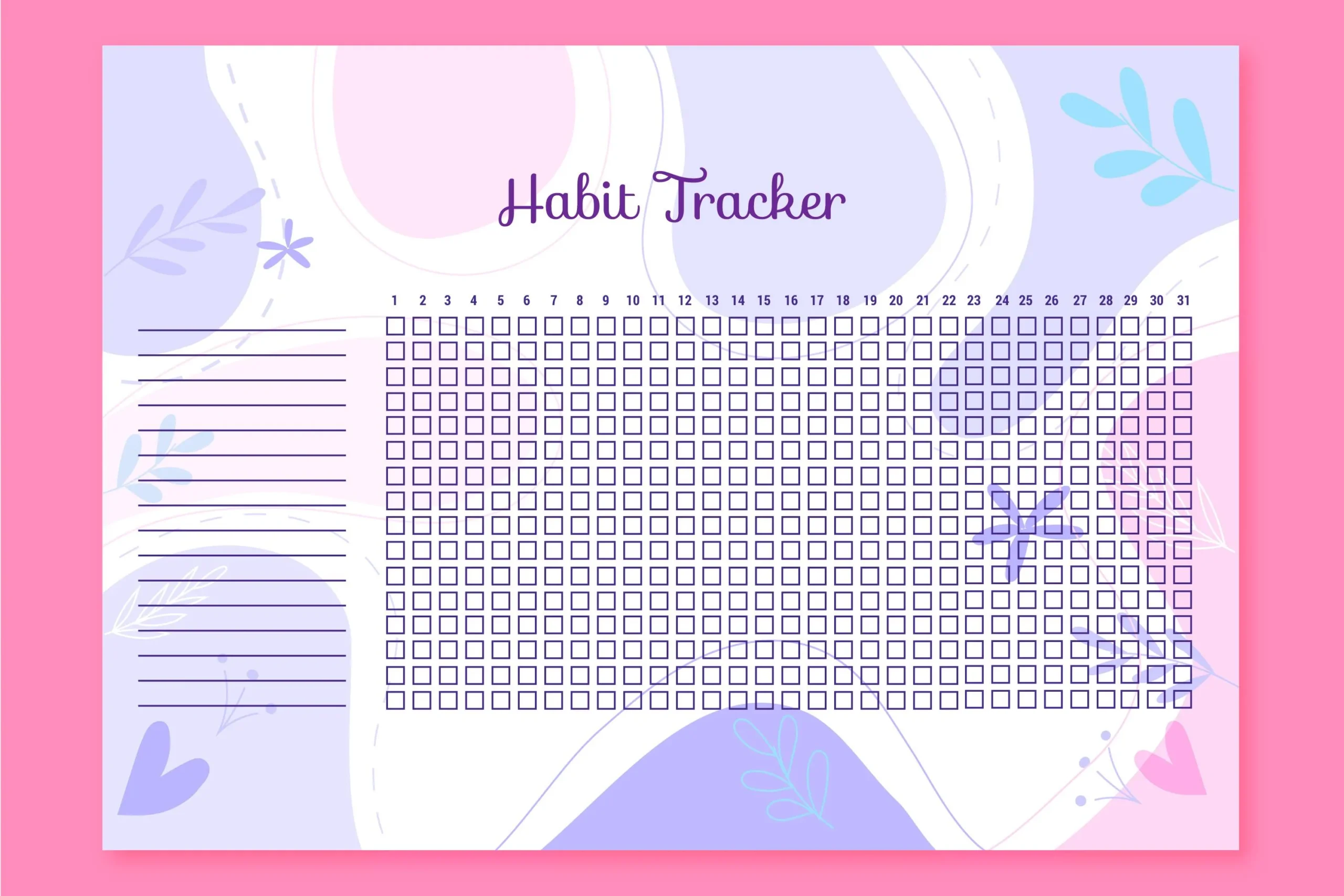
If you want to explore your habits with curiosity rather than pressure, the Flexible Habit Awareness Worksheet can help you observe patterns without forcing perfection.
When Habit Tracking Becomes a Tool for Personal Growth
The real power of habit tracking without feeling restricted lies in self-discovery.
When tracking habits turn from judgment to curiosity, you begin to notice patterns in your behavior, energy levels, and motivations. You learn which environments support your best habits, routines that feel natural, and those that require adjustment.
Tracking shows patterns you might otherwise miss.
For instance:
- Parts of the day when you naturally feel motivated.
- Environments that support your habits.
- How energy levels affect consistency.
This awareness allows you to make intentional choices rather than relying on willpower alone. This transforms habit tracking into a tool for personal growth, reflection, and long-term success.
Make Habit Tracking Feel Human Again
The most sustainable habit tracking systems respect the reality of human life. Some weeks will seem productive, and others may feel slower or less consistent. This is completely normal and doesn’t mean you are failing.
The goal of tracking habits is not to maintain an order every day. It creates awareness about the small choices that shape your life. When tracking is approached with compassion, a remarkable shift occurs: you naturally return to your habits because the process helps you understand yourself better.
Personal Reflection
I used to treat my habit tracking notebook as a scoreboard- a minus for not living up to it, and a plus for accomplishing it. If I missed a day, I felt like I failed the system.
Over time, I realized that tracking wasn’t meant to judge me. It helped me notice patterns, understand my habits, and make tiny tweaks that supported my growth. It was teaching me about myself with each passing day.
After making the shift, the process felt lighter, and honestly, that gentle awareness helped the habits stick far longer than strict discipline ever did!

If You’d Like to Explore More
- The Impact of Small Wins in Life and Work
- Bullet Journaling Hacks for Productivity
- The Defining Truth About Turning Points in Life
- The Let Them Theory for Self-Discovery
- Reducing Cognitive Load at Work