

Your planner looks full, but your mind remains cluttered.
You tick off tasks, but the day disappears unfocused.
The right bullet journaling hacks can turn aimless planning into structured clarity.
If you’re tired of rewriting to-do lists without understanding real progress, practical bullet journaling hacks can transform your notebook into a focused productivity system.
Bullet journaling isn’t about making your pages pretty; it’s about planning with purpose.
Let’s explore the most effective hacks that improve clarity, reduce cognitive load, and maximize daily efficiency.
Why Bullet Journaling Improves Efficiency
The Bullet Journal method was introduced by Ryder Carroll as a system designed to declutter the mind and enhance productivity. Instead of storing reminders in your head, you write them down.
According to research, writing your thoughts improves memory, reduces stress, and boosts focus. This is why structured bullet journaling hacks work; they make writing clear, simplified, and prioritized.
If you’re exploring how little progress builds momentum, you may find value in reading The Impact of Small Wins in Life and Work, where breaking large goals into visible actions strengthens consistency.
1. Master Rapid Logging (Without Overwriting)
Bullet logging is the foundation of this method, but the real hack is this: shorten everything.
Instead of writing: “Complete a detailed document for Wednesday’s client meeting.”
Write:
- Finish the document.
- Wednesday client.
The more concise your bullets, the faster you act.
One of the simplest bullet journaling hacks is removing unnecessary words. It reduces friction and supports better time management strategies.
This reflects productivity principles discussed by Harvard Business Review in their insights on regaining control of overloaded calendars.
2. Create a Weekly Efficiency Spread
Daily pages keep you on track, while weekly ones help you plan ahead.
Divide a two-page spread into:
- 3 top priorities.
- Secondary tasks.
- Waiting on.
- Personal care.
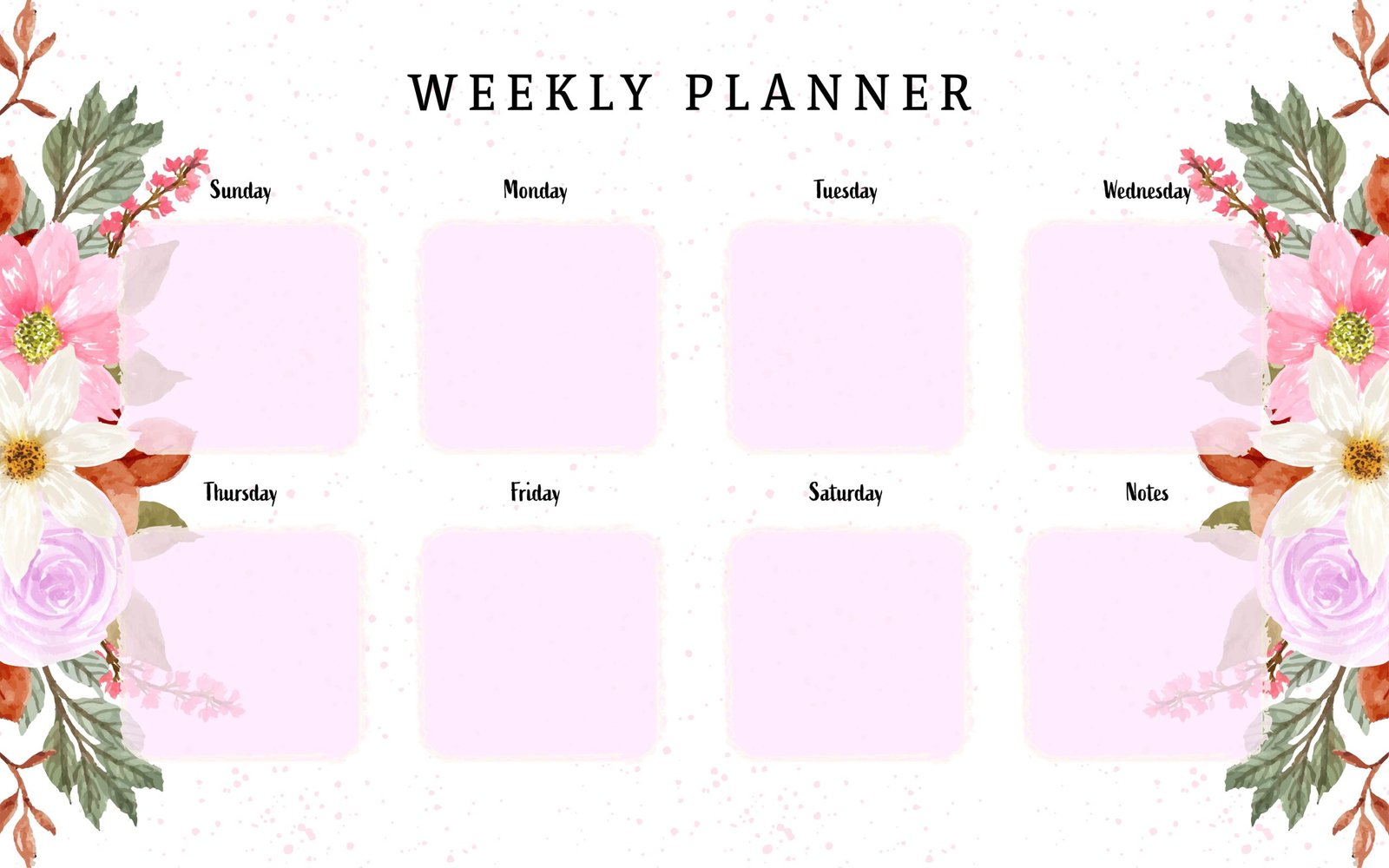
This layout prevents reactive scheduling. It supports intentional productivity, mainly if you struggle with scattered commitments.
One of the overlooked bullet journaling hacks is seeing your week before it begins.
3. Use the 3-Task Rule Daily
You don’t need 15-20 tasks; only three that matter most.
At the top of each page, write:
- 3 must-do tasks only.
Everything else becomes optional.

This approach strengthens goal-tracking systems and protects your energy. It prevents exhaustion caused by unrealistic expectations.
Research shows that finishing tasks boosts motivation and confidence. Repeating tasks in a regular routine helps turn them into habits, making them easier to do without relying on willpower.
Among all bullet journaling hacks, this makes an immediate impact.
4. Add a Brain Dump (Cognitive Reset Page)
When your thoughts seem heavy, dedicate an entire page to a brain dump.
Write everything:
- Worries at work.
- Personal reminders.
- Ideas.
- Emotional clutter.

Then categorize them:
- Act
- Delay
- Delete
- Delegate
This is considered one of the most therapeutic bullet journaling hacks because it instantly reduces the cognitive load. You move from cluttered chaos to structured clarity.
For more journaling techniques and prompts, see this guide on structured journaling.
5. Track Energy, Not Just Time
Productivity isn’t about managing hours alone; it’s about managing energy.
A simple daily scale can help:
- Morning focus (1-5)
- Afternoon energy.
- Evening mood.
After a week, you observe patterns. You will notice when to schedule priority tasks and when to protect your rest. Pairing this with a time-blocking approach can maximize focus and reduce overwhelm.
This is one of the smartest bullet journaling hacks because it aligns work with natural rhythms rather than forcing output.
6. Simplify Your Symbols
You don’t need complex keys.
Try:
+ Task
○ Event
★ Priority
→ Migrated
Personalized systems ease your day. Many people complicate their spreads after seeing visual elements online. But efficient bullet journaling hacks focus on function, not decoration.
7. Reflect at Month End
Review your final pages at the end of the month:
- What worked?
- What exhausted me?
- What will I stop doing next month?
Reflection transforms planning into growth. It boosts intentional productivity and prevents repeating draining habits.
Monthly reviews are advanced bullet journaling hacks that separate busy planning from conscious improvement.
To help you implement these hacks immediately, here’s a printable Weekly Efficiency Blueprint you can use to plan your week, track energy, and reflect.
Personal Reflection
I owned a journal throughout my life, dumping thoughts with each sentence and releasing my brain fog.
Bullet journaling for me was more like a productivity competition; more trackers, more pages, more color codes.
But the most effective bullet journaling hacks I have learned were about subtraction, not addition. When I simplified my spread:
My focus improved.
My days felt better.
My planning became quieter.
I realized efficiency is not about filling each page.
It’s about clearing space, mentally and physically.
And that’s where real control begins.