

Observing my child has shown me that learning happens in giggles, quiet moments, and even in playful mistakes. It has also reshaped the way I understand learning itself.
Children are natural explorers; they absorb the world not through pressure or structured lessons, but through curiosity-led discovery. When I step back and let her take the lead, I witness her developing confidence in her choices, ownership over her ideas, and comfort in expressing her emotions. This idea of stepping back and allowing children to be themselves aligns closely with The Powerful Let Them Theory for Parenting, where trust becomes a foundation for growth.
These small, everyday observations remind me that mindful parenting is not about perfection—it is about presence. Each moment I spend observing my child teaches me something new about patience, emotional growth, and the quiet ways children ask for love and reassurance. And in these moments, I realize that watching her grow also helps me grow—becoming a more grounded, aware, and intentional parent. This way of slowing down and responding with awareness mirrors what I explore more deeply in Parenting Your Inner Child Sparks Awareness.
Parenting teaches patience, empathy, and awareness. Over time, I’ve learned that observing my child is my most valuable tool for understanding her. Observation allows me to look beyond her words and truly grasp her emotions, learning style, and growth. This practice is vital to mindful parenting and supports her development.
The Power of Observing My Child
Observation is more than just noticing what a child does. It is about paying attention to how children approach challenges, solve problems, and express creativity. By observing children, parents can gain valuable insights into their cognitive development, emotional intelligence, and social skills. I often watch my daughter as she builds with blocks, draws, or plays pretend, noticing small moments that reflect her resilience, imagination, and curiosity. These observations help me understand her strengths and areas where she may need gentle guidance.

Understanding Child Development Through Everyday Actions
Children communicate through actions as much as words.
Observing my child allows me to recognize her problem-solving strategies, her emotional responses, and her learning preferences. For example, when she encounters a difficult task, I notice whether she perseveres, seeks help, or takes a break. These small observations reveal her growing independence, determination, and ability to cope with challenges. Observing children in their daily routines provides parents with practical insights into their child’s development and supports early learning in a natural and engaging way.
Observing my child also gives me perspective on how children naturally develop social skills. By paying attention to how she interacts with peers, shares toys, or negotiates during playdates, I can see patterns in empathy, cooperation, and conflict resolution.
Research shows that mindful observation can strengthen a child’s social-emotional learning and help parents respond in ways that nurture confidence and resilience. Additionally, simple daily rituals—like observing her reactions to new experiences or storytime—can become valuable moments to guide her curiosity and creativity.
Over time, these small interactions also reshaped how I define achievement and growth, something I reflect on further in Redefining Success Through Parenting.
Turning Observation Into Connection
Observing my child is not just about noticing behavior; it is about strengthening our connection. Mindful parenting requires being present in these moments, responding thoughtfully instead of reacting impulsively. By observing my child, I can offer support tailored to her needs, celebrate her achievements, and help her navigate difficult emotions. These small acts of attention foster trust, emotional security, and a stronger parent-child bond, which are critical components of healthy child development.
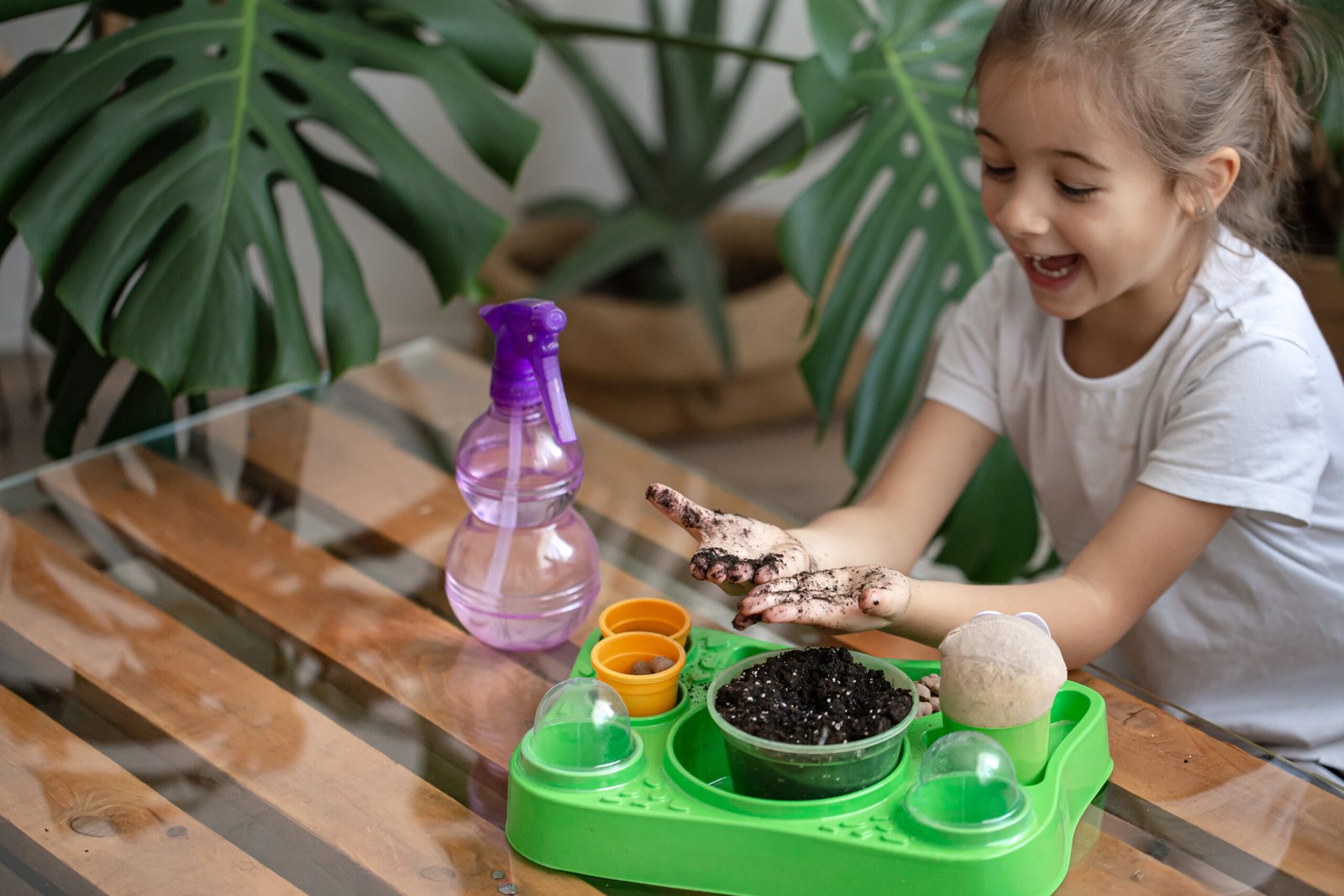
To put these observations into practice and gain deeper insights, try using the worksheet Seeing My Child With Fresh Eyes designed to guide your reflections on your child’s behavior and development.
Why Mindful Parenting Matters
Slowing down to observe a child allows parents to witness their growth in real time. These moments of quiet observation reveal not only a child’s learning and behavior patterns but also their emotional and social development. Mindful parenting and observing children help us understand their unique personalities, guide them effectively, and nurture a lifelong love of learning. Every parent can benefit from dedicating time each day to simply watch, listen, and learn from their child.
Personal Reflection
Parenting taught me many lessons, but the most important one came when I simply stopped and watched my child. Sometimes the most important lesson in parenting is learning to pause and watch with intention.
By making observation a daily habit, I’ve seen not only her growth but also my own as a parent. It has taught me patience, mindfulness, and the power of gentle guidance. Observing my child has become more than a tool—it’s a lens through which I better understand both her and myself.